
How Generative AI Is Changing Web Design
What changes when software can produce a page: which parts of web design got cheap, which still need judgement, and what that means for the job.

What changes when software can produce a page: which parts of web design got cheap, which still need judgement, and what that means for the job.

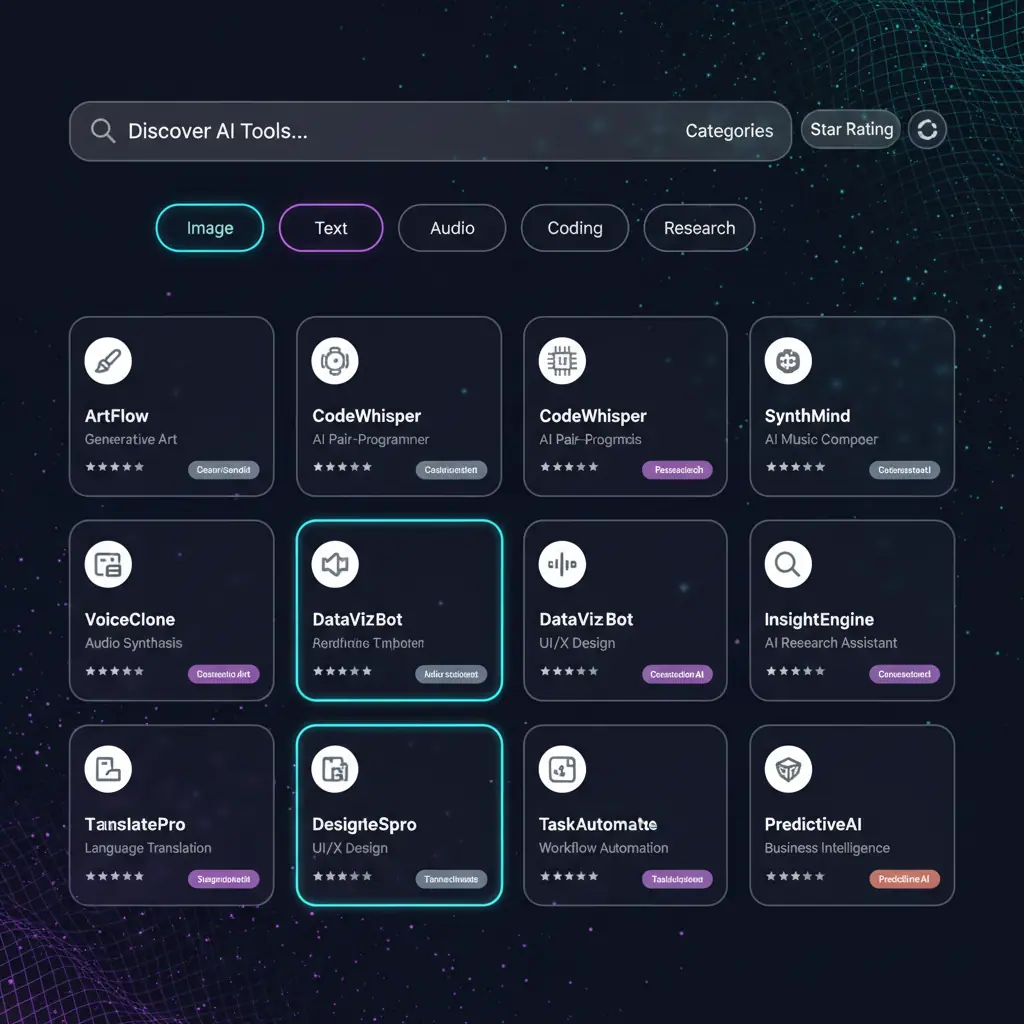
AI directories are now big enough that browsing them is a time sink. How to search by task, assess a tool in ten minutes, and spot the ones worth keeping.

Content made to fill a schedule performs badly. Where AI tools genuinely help a blog, and what still has to come from you.

A website is research, copy, imagery, layout and code. Which AI tools earn a place at each stage, and how to test them on your own pages.

The useful question is not which tools impress, but which ones turn into billable capacity or fewer unpaid hours. Here is where each one fits.

Building software by describing it works better than sceptics expect and worse than enthusiasts claim. Five tools, and the habits that keep the result maintainable.

Which AI uses help you learn, which only save time, and which quietly cost you the point of the course, with five tools students actually reach for.

Building a page without a designer means knowing which decisions a designer would make for you: type, colour, spacing and structure. Here they are.

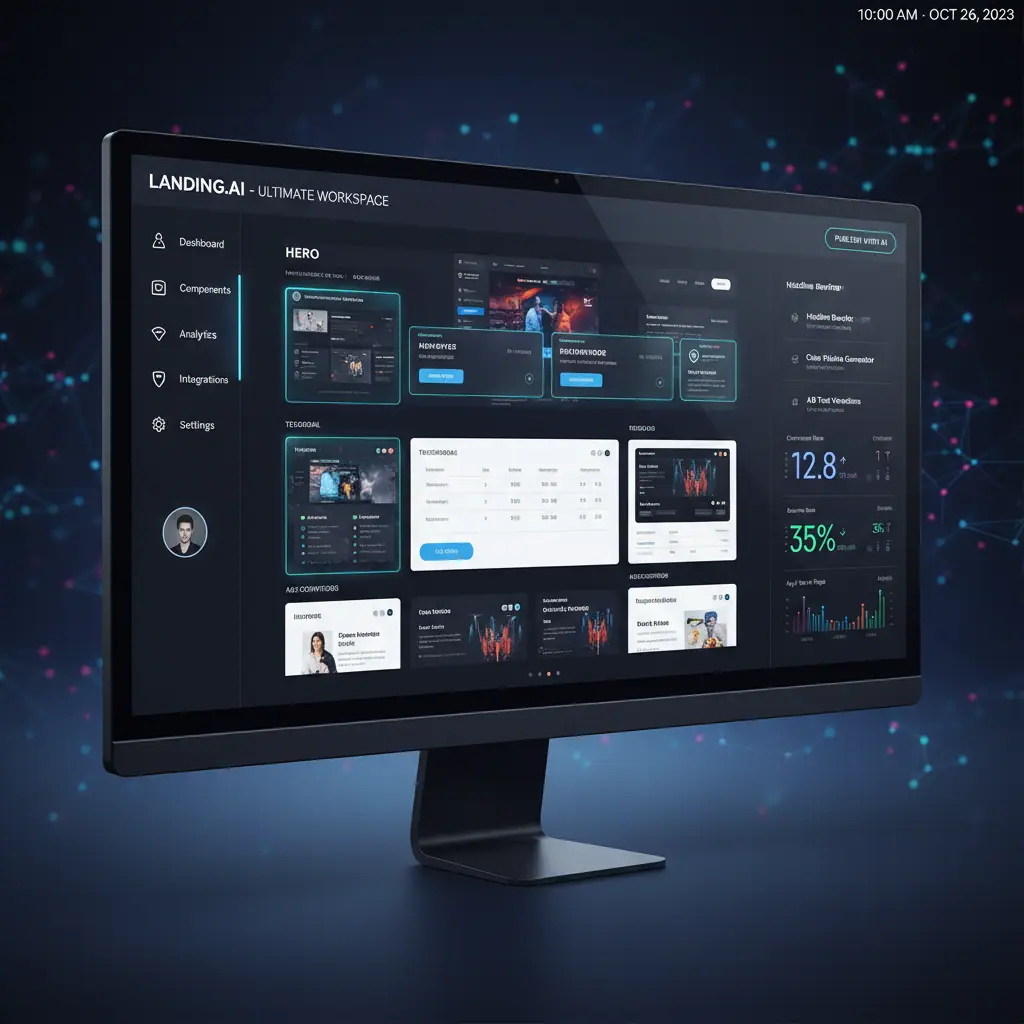
A landing page tool and a website builder look alike in a demo and diverge on what decides a campaign: domain, tracking, variants, speed and forms.

Every landing page tool advertises the same features. Four questions separate them, and you can test each one on your own page in about ten minutes.

Generating a good landing page is mostly about what you give the tool and the order you correct it in. A step-by-step way to do both.

Landing pages have a conventional anatomy because the sequence does work. What each part is for, and how to keep an AI-designed page to it.

These products get compared as if they do the same job. They start from different assumptions about what you already have, and that decides which one fits.

Selling landing pages as a productised gig is a reasonable small business. The parts that decide whether it works are mostly commercial: scope, pricing and handover.

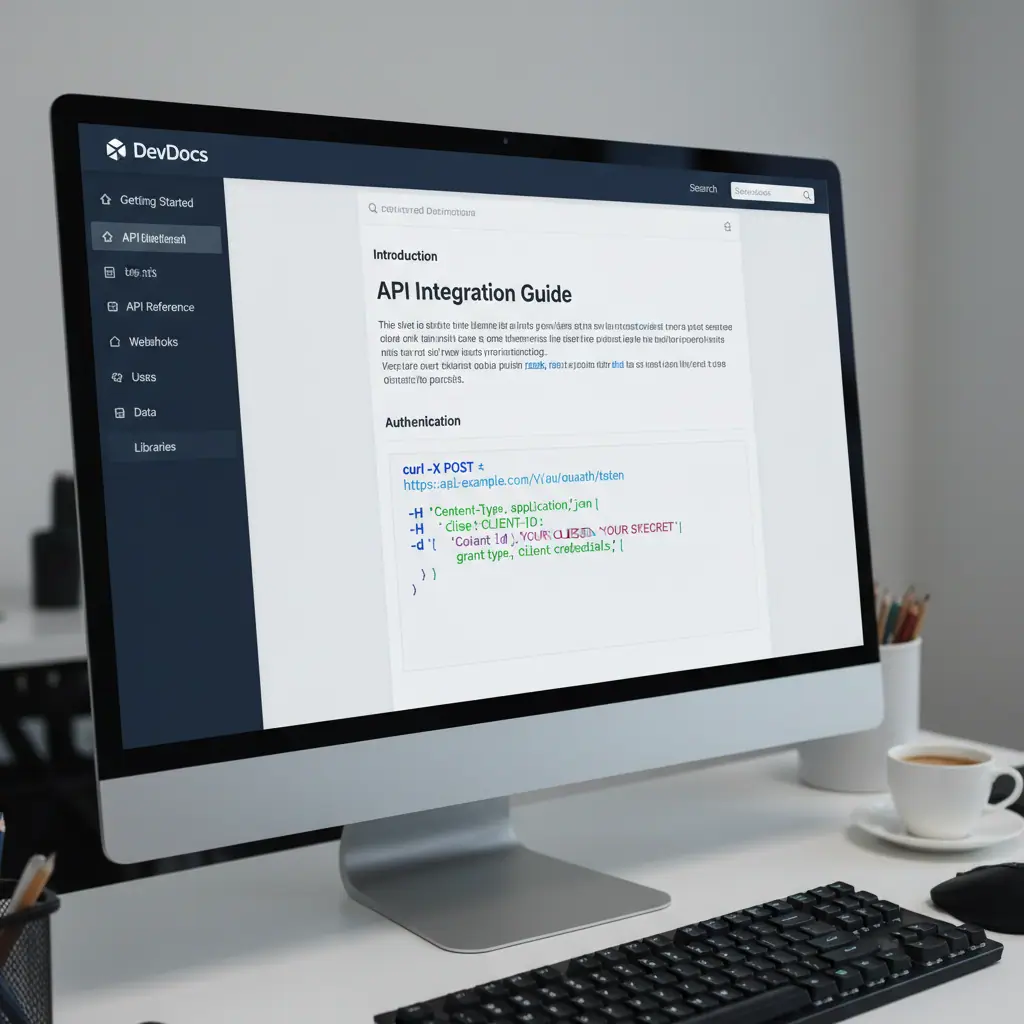
Your documentation deserves better. We review the best tools for transforming GitHub READMEs into interactive, searchable, and professional documentation portals.

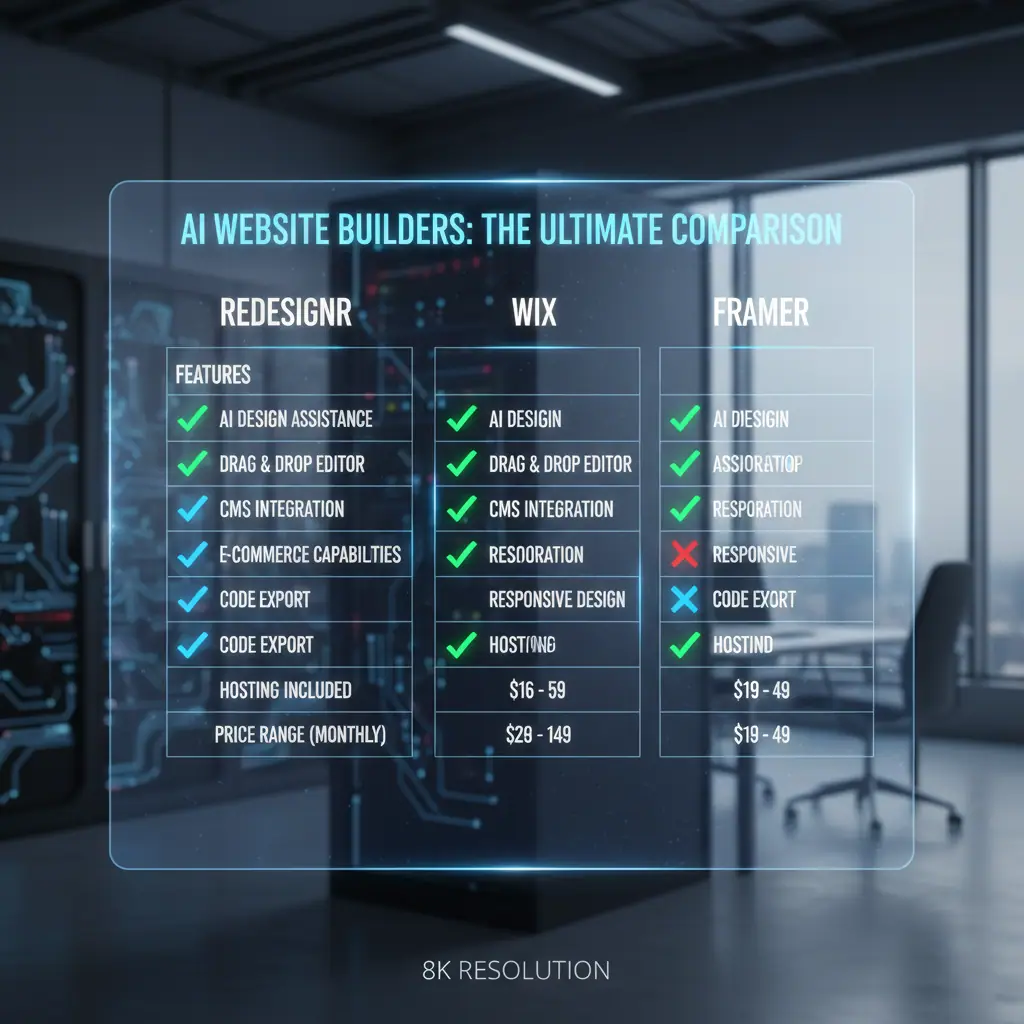
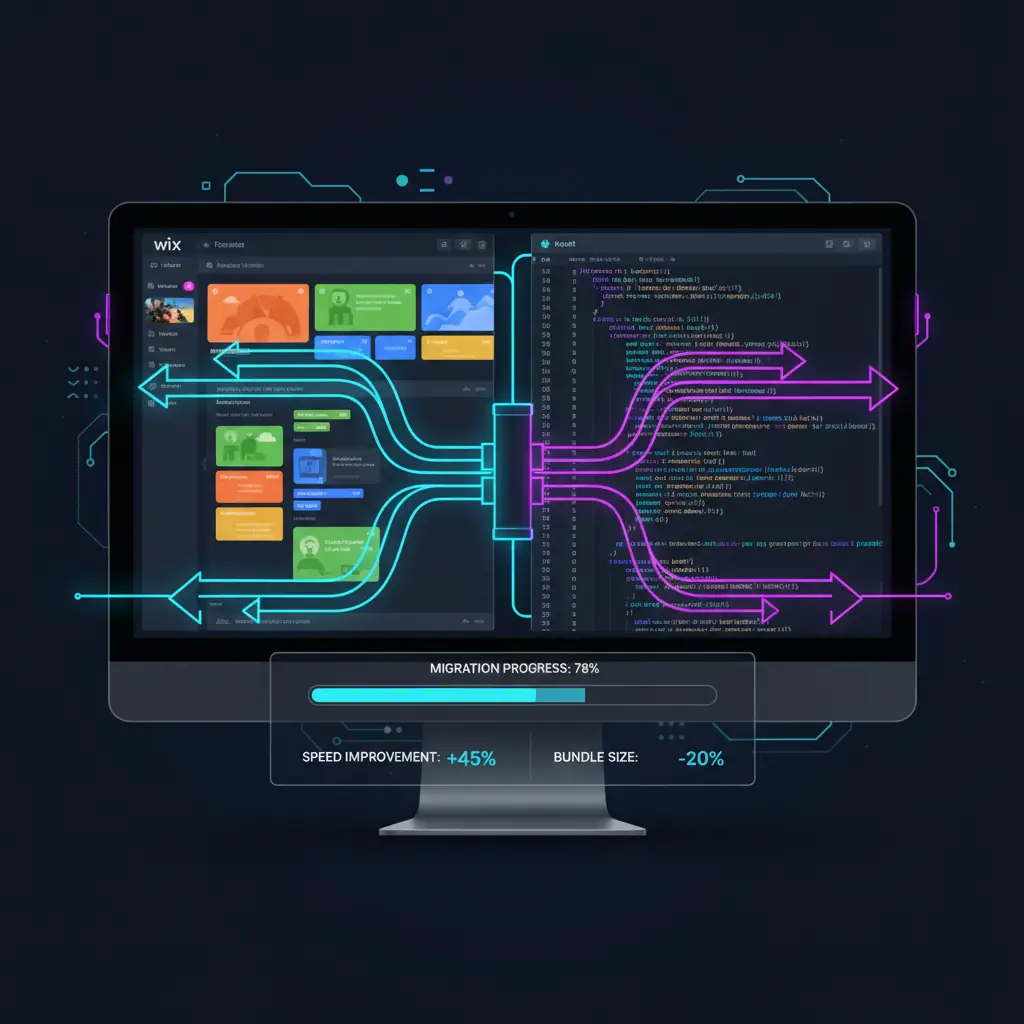
Dive deep into the world of AI-powered website creation as we compare Redesignr, Wix, Framer, and Typedream. Discover which platform best suits your needs for speed, design flexibility, and advanced features.

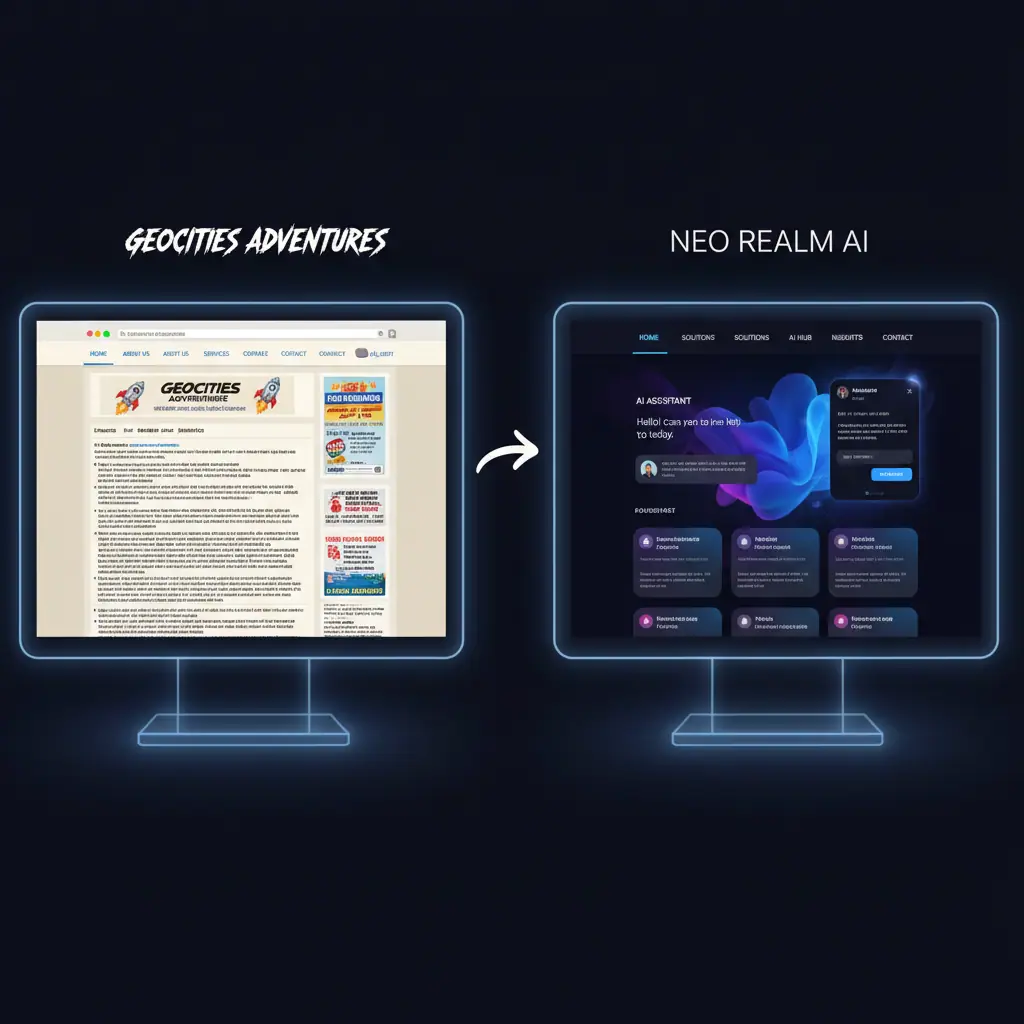
Older sites share a set of usability problems that are separate from how they look. Here is what they are and which ones an AI redesign actually fixes.

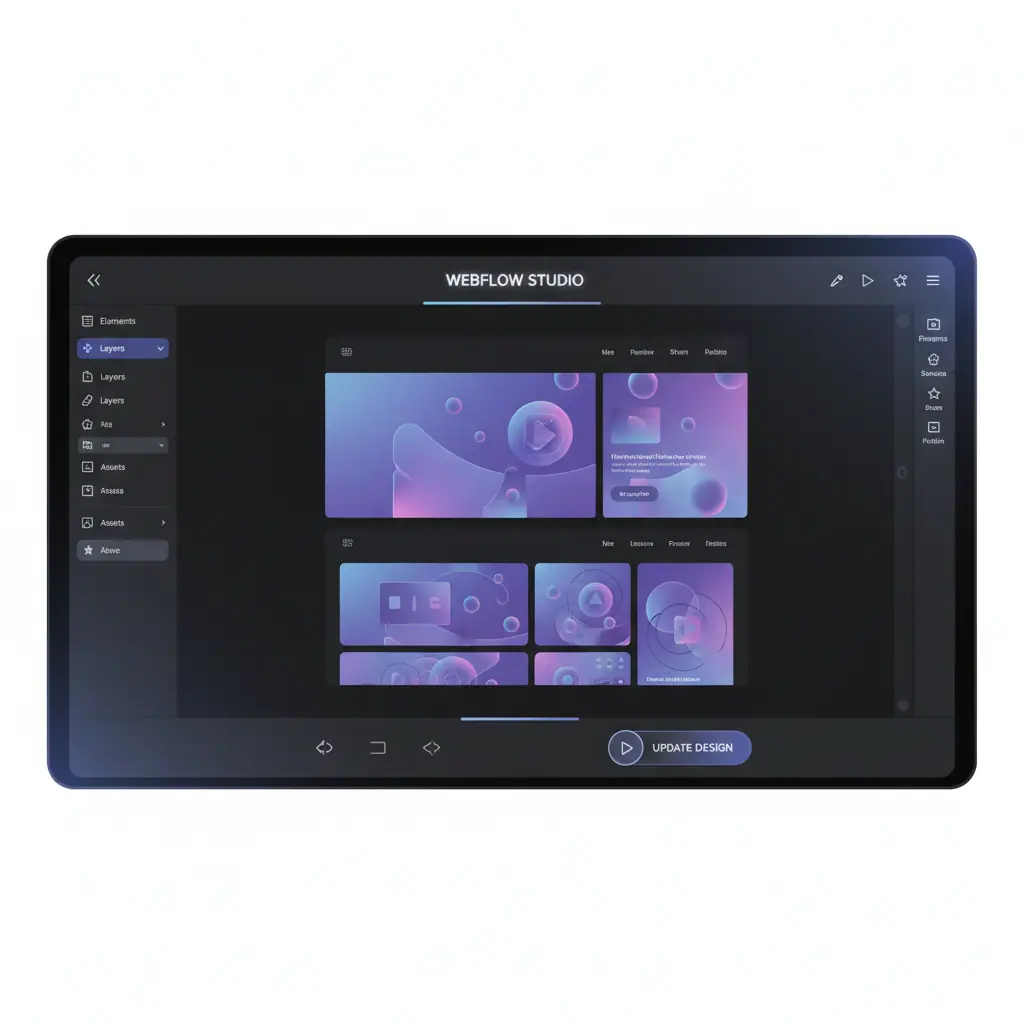
Updating a site's design without writing code is possible now. Where it stops depends almost entirely on which platform you are on.

Docs are often the busiest and least maintained part of a developer product. Which layers AI can generate, and which still need a person.

"Clean code" is claimed by every AI website generator and rarely defined. Here is what it concretely means and how to check the output yourself.

There is no best redesign tool in general. Four constraints, your platform, who deploys, how many pages and what must not break, make the question answerable.

Design files describe one state at one width. What an AI converter can read from Figma exactly, what it has to guess, and where it fits in a real workflow.

Revamping a page that already gets traffic is different from designing one: you have evidence, and you can destroy it. How to change it without losing what works.

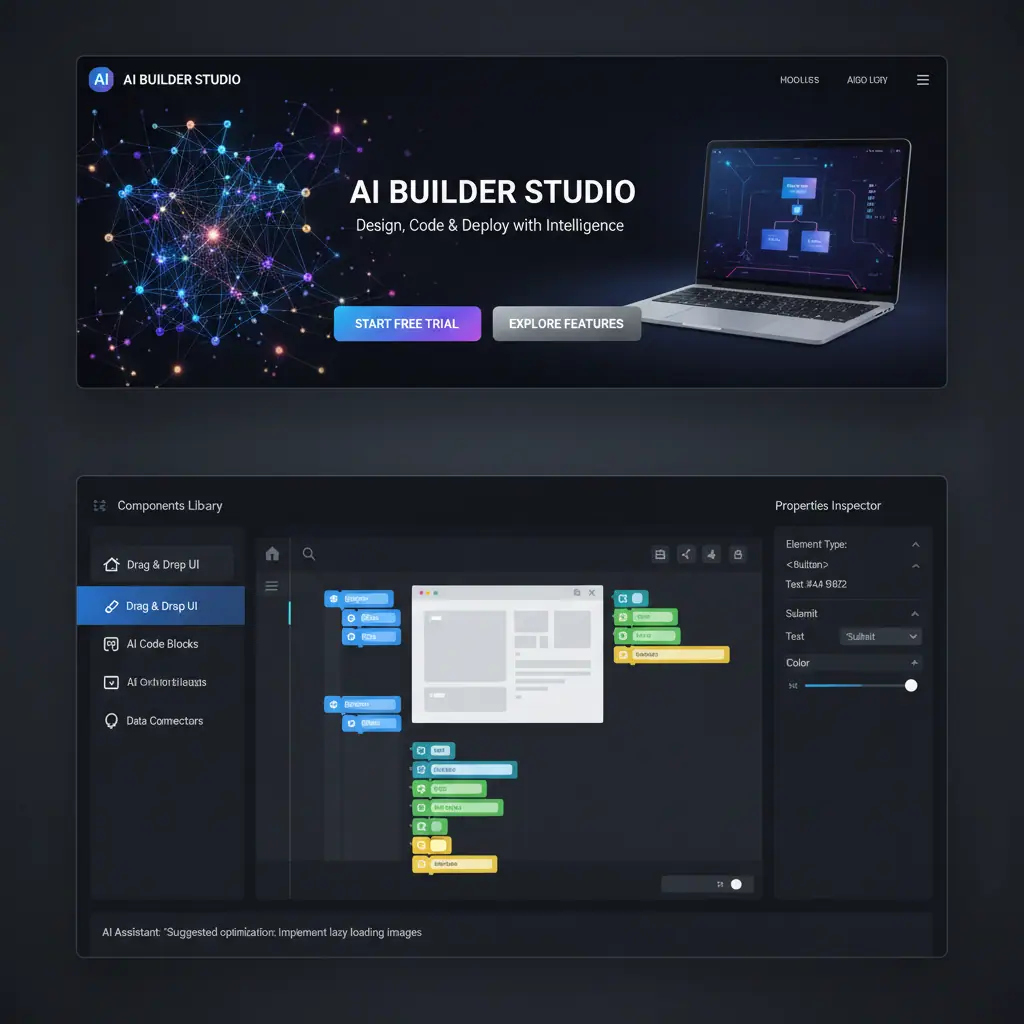
Generative UI tools split on one line: components for an application, or pages from an existing site. How to tell which one your task needs.

Full-stack generators and front-end page tools get compared as if they were one category. What each produces, and why it matters for a redesign.

A screenshot carries layout, proportion and emphasis, and nothing about reflow or interaction. What that means for the code you get back.

Modernising a corporate web estate is a different problem from redesigning one site. The obstacles are organisational, and the software has to fit them.

A store redesign can cost money between deploying and noticing. Start where the risk is lowest: category pages first, product pages with care, checkout last.

Learn how designers, developers, and creatives use AI to transform old resumes and portfolio layouts into sleek showcases.

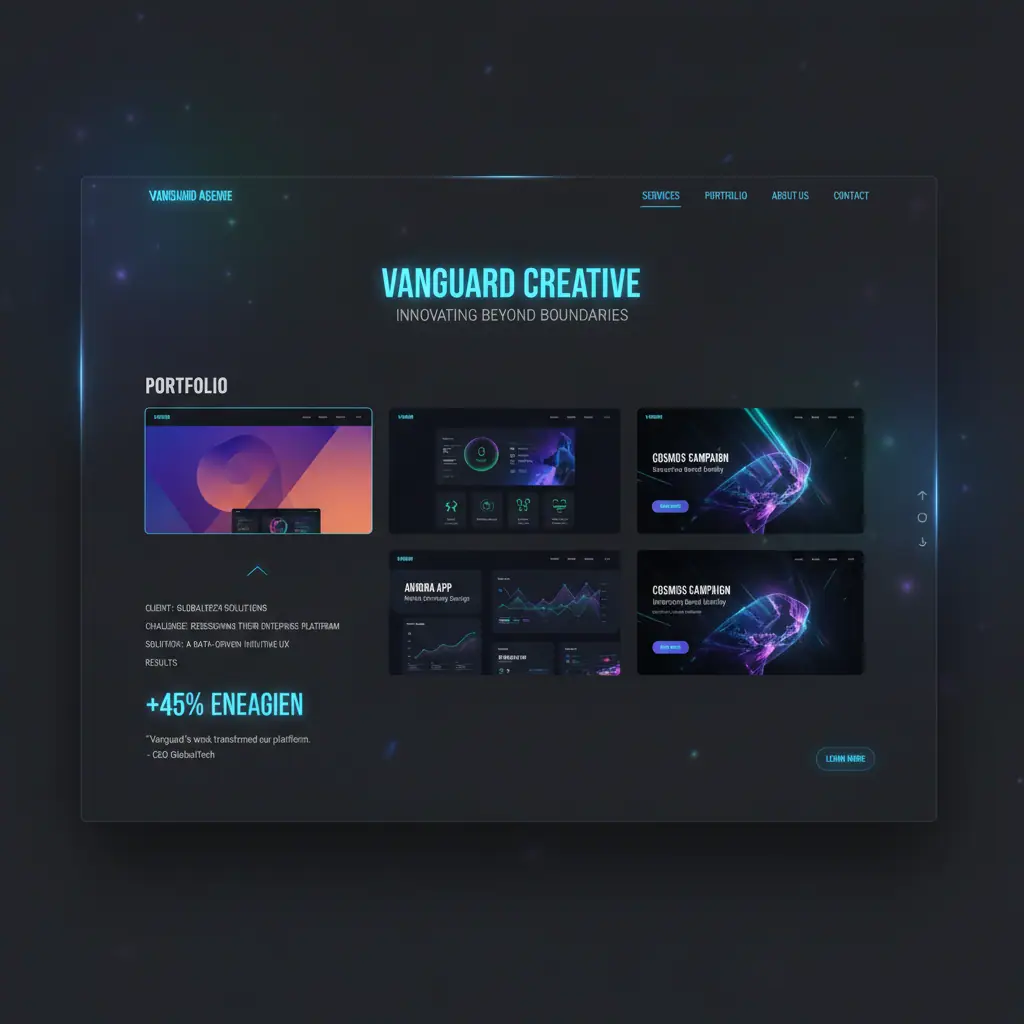
For an agency, AI changes the economics at two points, the pitch and the first draft, and almost nothing in the middle of delivery.

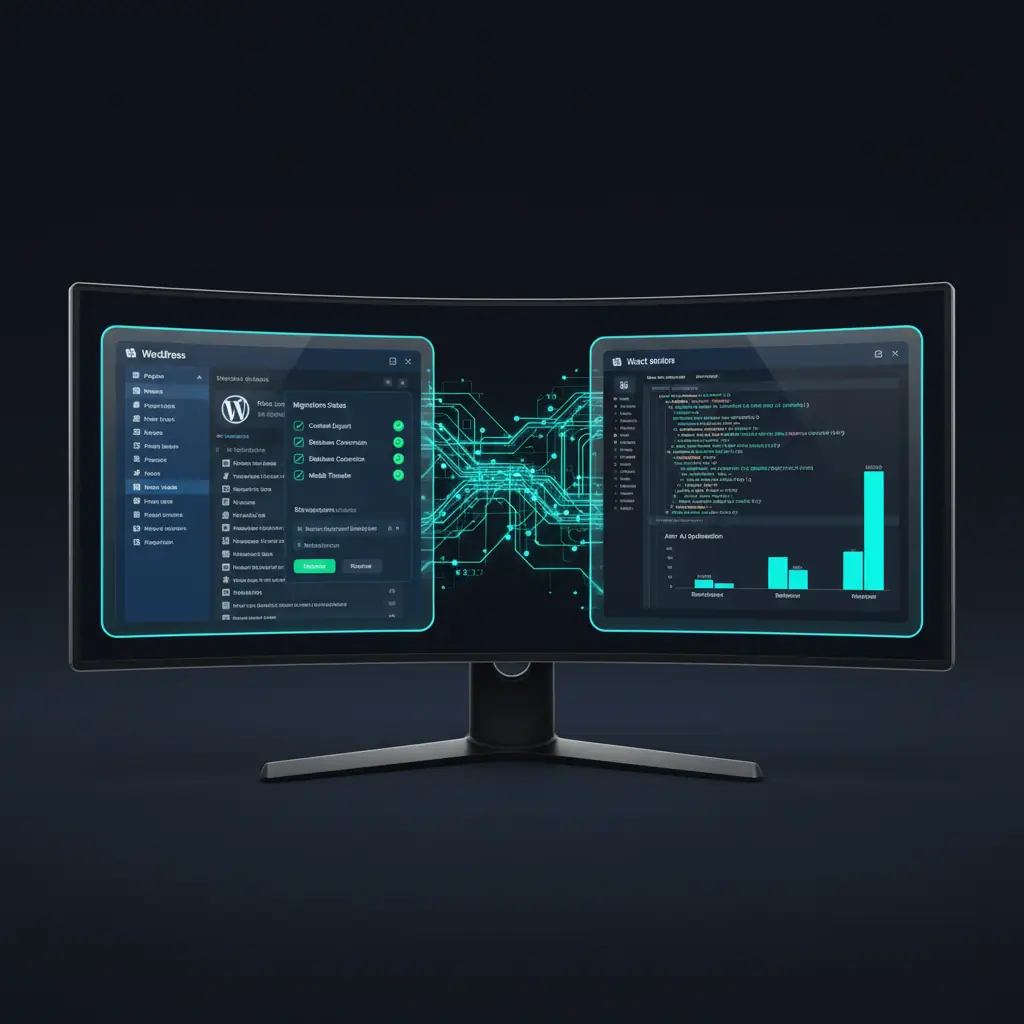
WordPress accepts outside markup at several levels, from a pasted block to a full theme. Three routes in, by increasing effort, and how to do it safely.

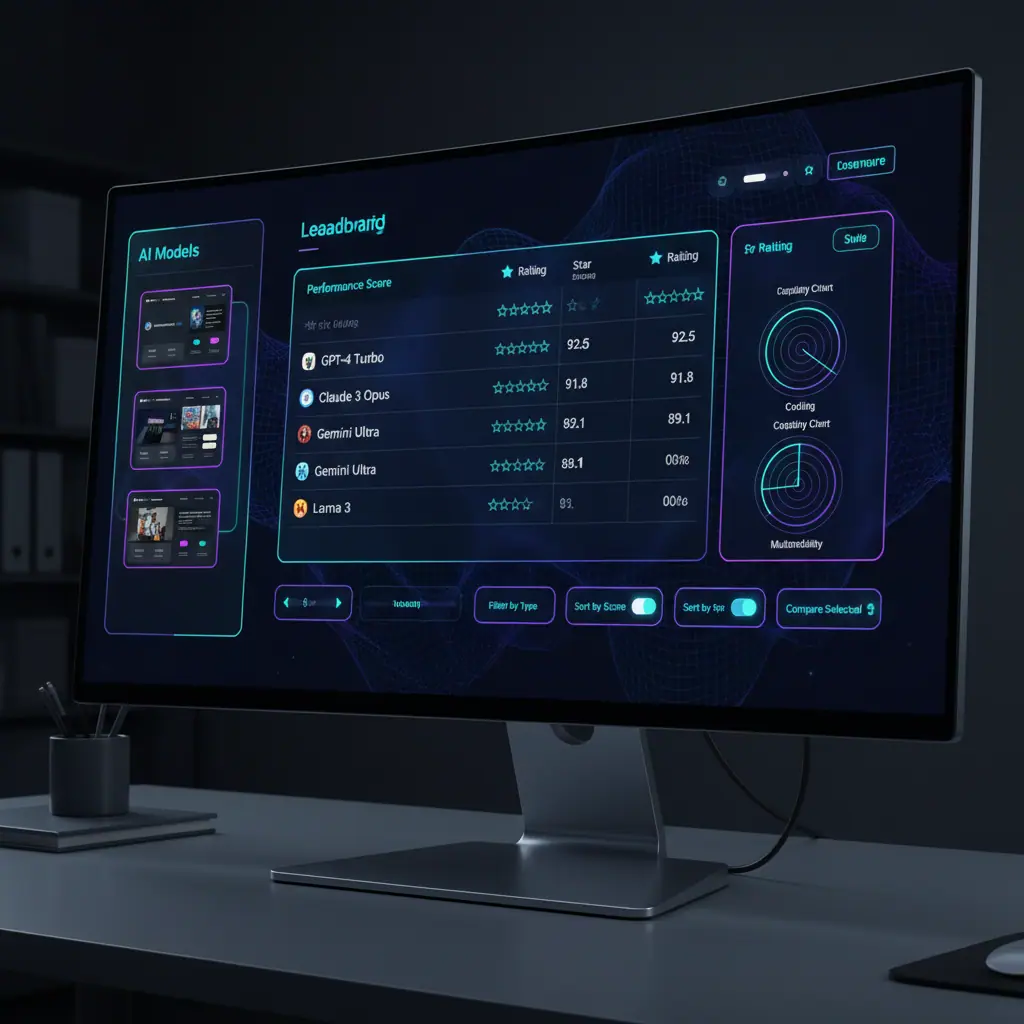
Rankings of specific model versions date within months. The criteria that matter for generating web pages, and how to compare models on your own page.

Learn how to use ChatGPT for website layouts and design tasks. See standard limits and specialized visual alternatives.

Small business sites fail in a narrow, predictable set of ways, and few of them are about looking modern. What visitors need and how to give it to them.

Wix is a closed editor that will not import a page from anywhere else. How to redesign efficiently inside it, and what it costs to leave.

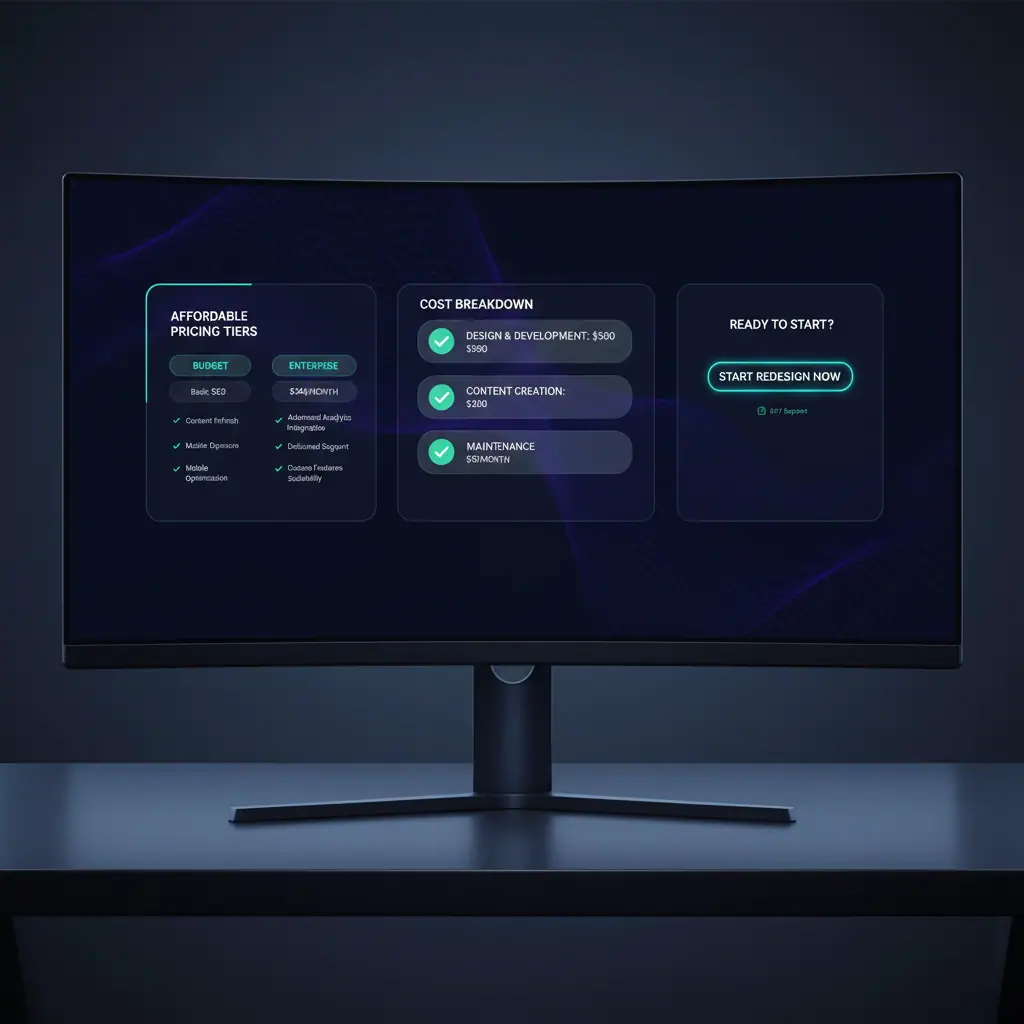
Getting a redesign done cheaply means knowing which costs are structural and which are optional. The economies that cost nothing, and the false ones.

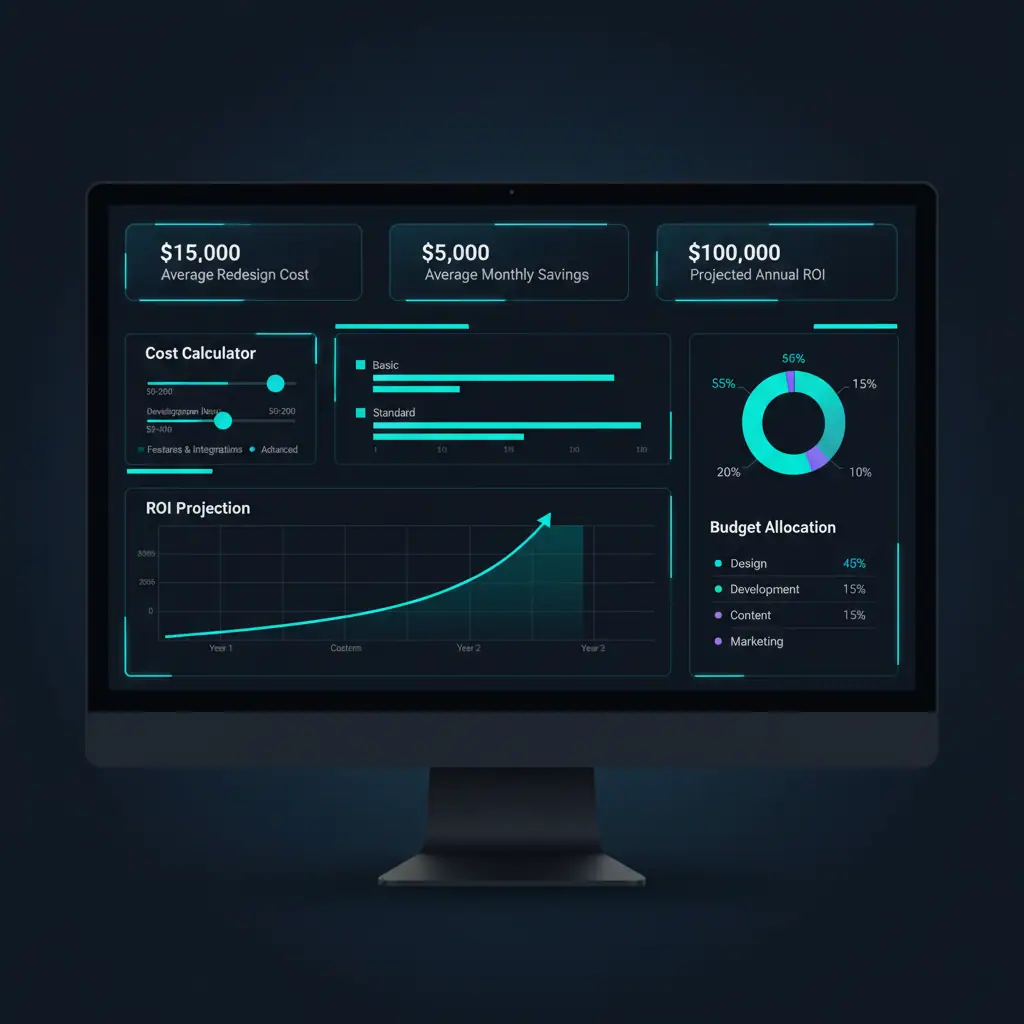
Published averages for a website redesign are close to useless. What actually drives the price, and how to read a quote critically.

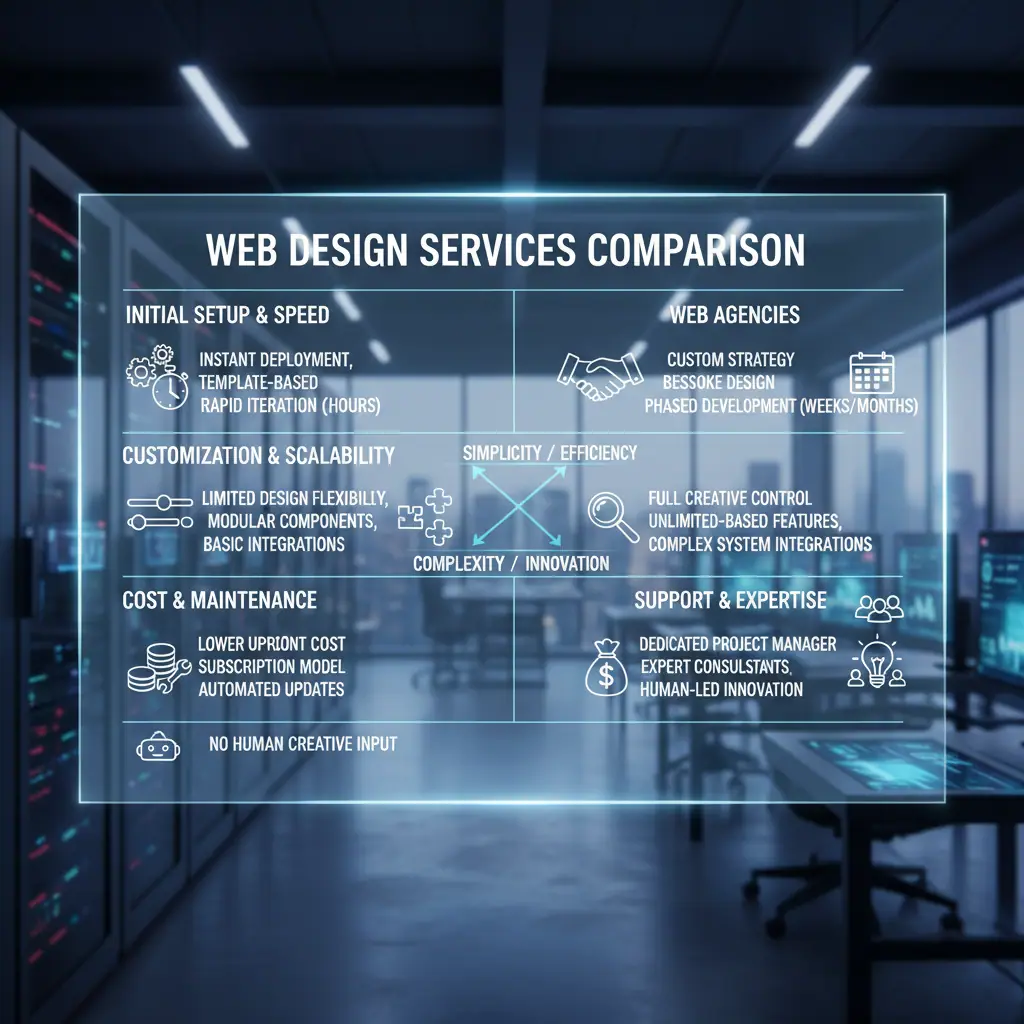
Agency, freelancer, template, AI tool or your own team: what each route asks of you, what a redesign service includes, and how to vet the people you hire.

UX covers two different jobs: a mechanical half you can fix from best practice, and a half that needs real users. How to budget and measure each.

Modernize clinical layouts with patient-first design systems. Learn how a healthcare website redesign improves booking paths and patient accessibility.

B2B sites are judged by a buying committee over weeks, not one visitor in ten seconds. The design decisions that follow from that.

A redesign can erase years of rankings in an afternoon. This is the pre-launch, launch-day and post-launch checklist that keeps your traffic where it is.

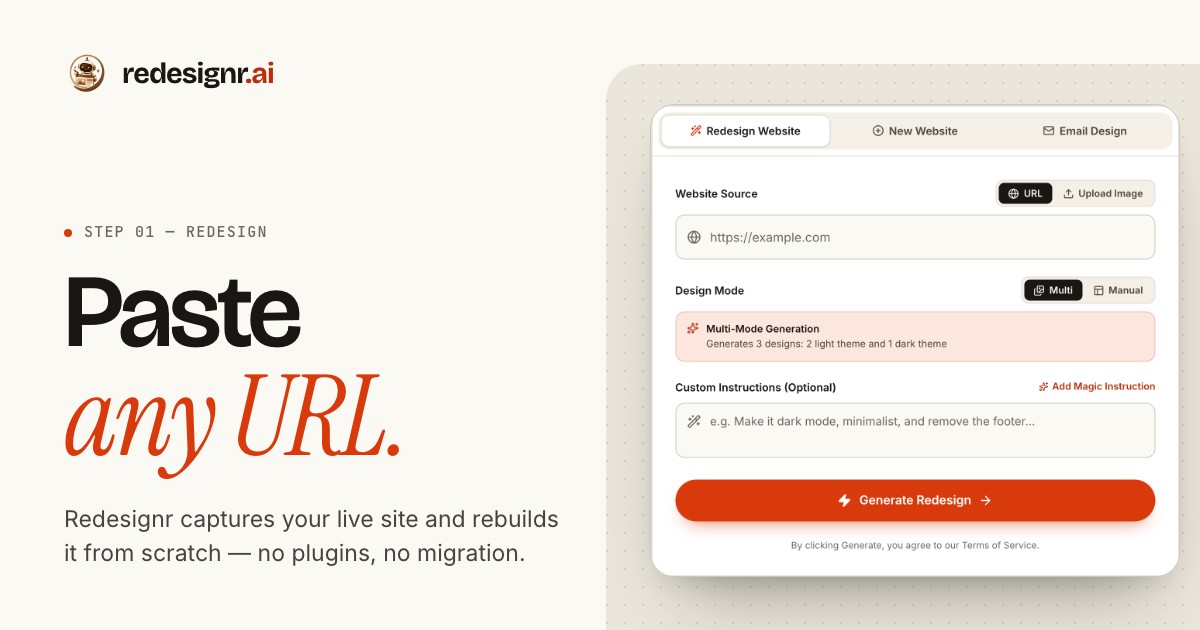
What actually transfers when you hand a screenshot or mockup to an AI, what a static image can never carry, and when a URL is the better input.

The AI workflow for a redesign, end to end: what to give it, how to choose between variants, where your time goes, what to check before launch, and where it fails.

Sites date in a small number of predictable ways. Here is the list, why each one reads as old, and what replaces it.

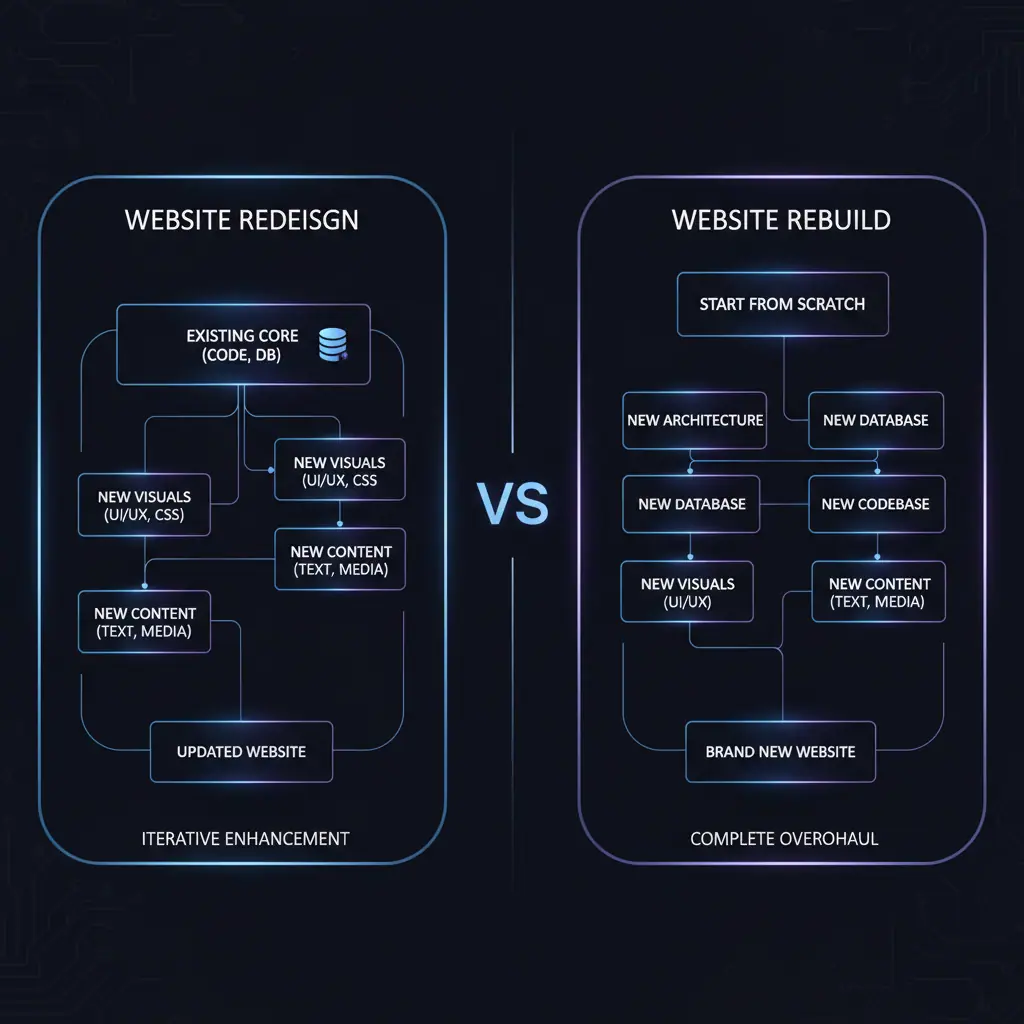
The test that tells you which one you need, and why choosing wrong is expensive in both directions.

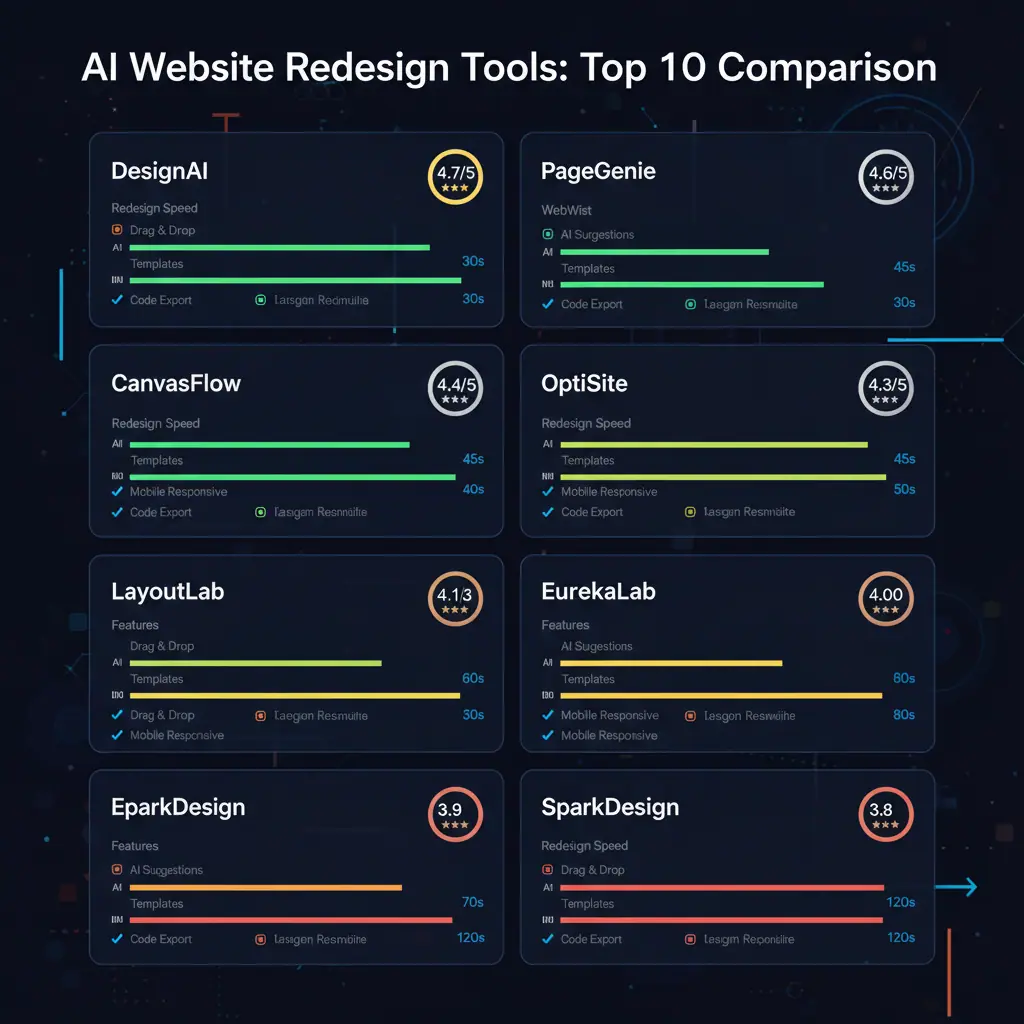
AI redesign tools belong to four categories that do different jobs. How to match one to your project and compare tools within it on properties you can check.

Why a landing page is structurally different from a homepage, and which of those differences a generator can handle for you.

Message match means a page per campaign. That is only affordable when producing a page costs minutes β which is the actual argument for generating them.
Responsive failures cluster at widths nobody opens. Generated layouts have a different failure profile from hand-built ones, and it is worth knowing why.

Trends are vague; conventions are checkable. This separates the two and gives you the list a site is actually measured against.

Generation, the section and theme libraries, the two editors and code export β what each stage is for, and which ones people actually use.